If you’re one of the lucky horse people who finally get to bring their horses home or start that boarding business you’ve always dreamed about, you’ll appreciate this episode. Tips and advice about horsekeeping are plentiful on the internet, but many of them are either unreliable, sketchy, or based on a situation that’s very different than yours. Today’s tips are generic enough to be used just about anywhere, they don’t cost you a fortune to implement, and each one is backed up by credible research. Plus, get the scoop on Helena’s new sand ring in the works. Listen in!
What’s the latest in forage-based diets for horses? What myths have plagued you, and what do we need to know in 2021 about feeding hay to keep our horses healthy and happy? Do horses need omega-3 supplements? Is beet pulp all that helpful? What gut supplement can actually help prevent ulcers?
Carey Williams, Ph.D., a research scientist and professor at Rutgers University Equine Science Center, joins Helena to discuss how to can keep our horses’ digestive systems functioning well by focusing on forage. Listen in!
Carey Williams, Ph.D. Associate Director of Outreach, Associate Professor Animal Sciences at Rutgers University
This episode is brought to you by: Lucas Equine Equipment, makers of fine quality stall components and accessories. And, by Tangent Materials, smart fencing for safer farms.
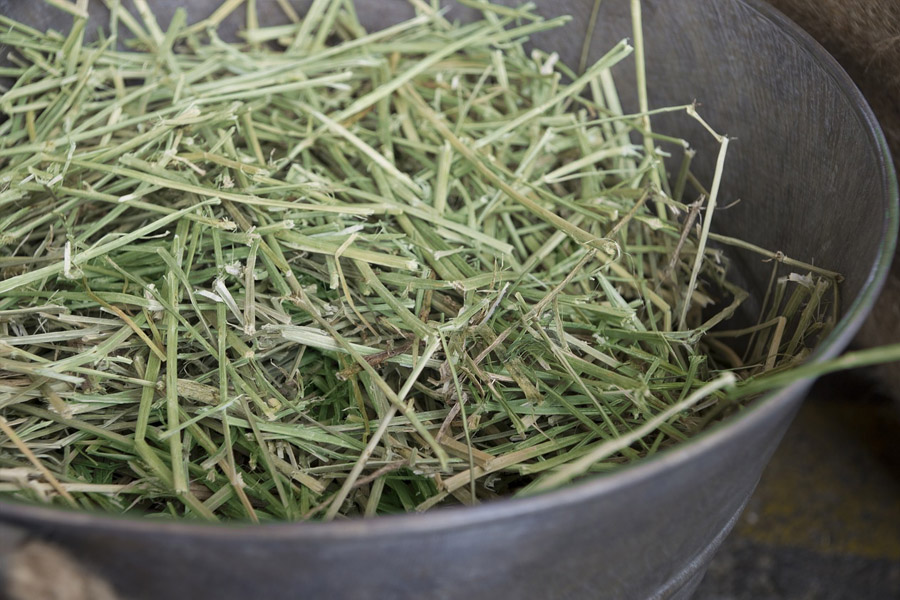
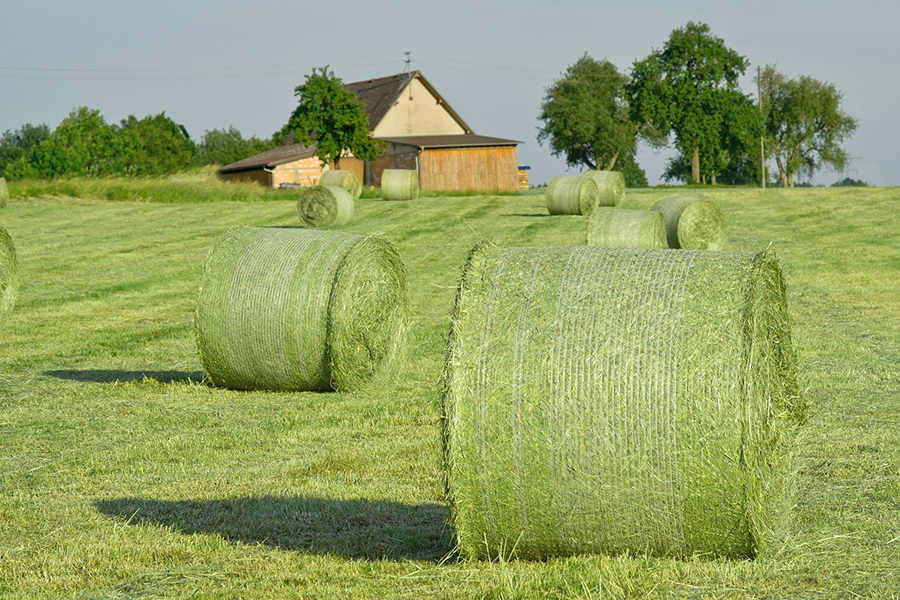
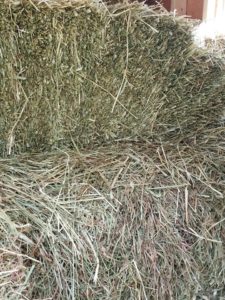
Even if your horses graze on acres of lush pasture for most of the year, there is always a need for hay on a horse farm. For many horses, and for many different reasons, pasture is not an option as a primary source of forage, which means buying hay becomes a critical part of every barn manager’s or horse owner’s job. And it can be a tricky task. In this episode, Helena is joined by her good friend and fellow hay geek, Coach Jenn from Horse Radio Network, as they compare notes and ideas about the realities of shopping for hay. Listen in!
We know so much more about our horses needs today than we did 10, 20, or 30 years ago. Research, technology, and the internet have allowed us to learn and share information about horse care like never before. One of things we have learned of late is that healthy horses and hooves depend a lot not just on how much time horses are turned out, but what they do while out there.
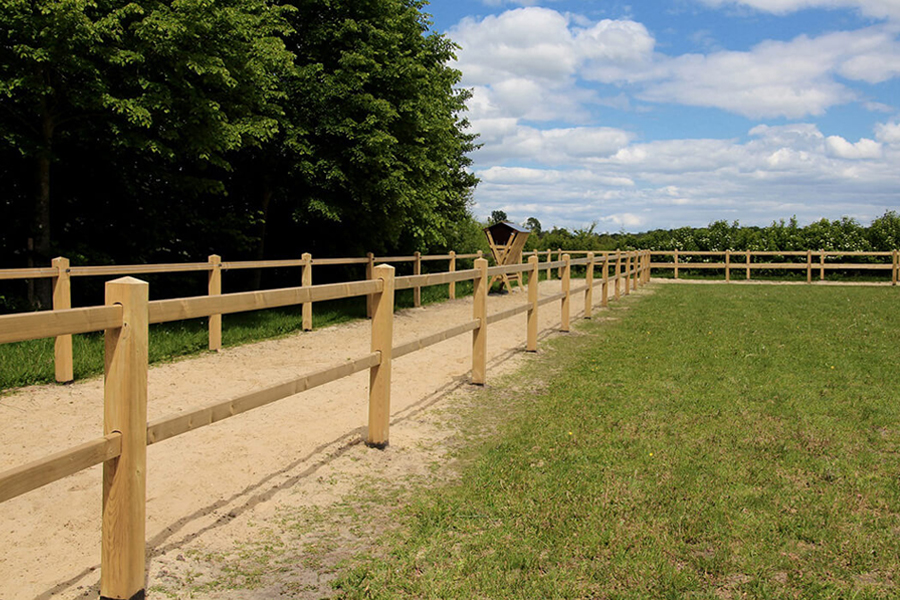
Paddock Paradise, introduced to the horse world by Jamie Jackson back in 2007, and based on his extensive research of wild American horses, is gradually becoming a more common fixture in American horsekeeping plans. Europe has been on board with this paradigm shift for quite a while. Perhaps it’s time we Americans start re-thinking our property layouts, too. Listen in!
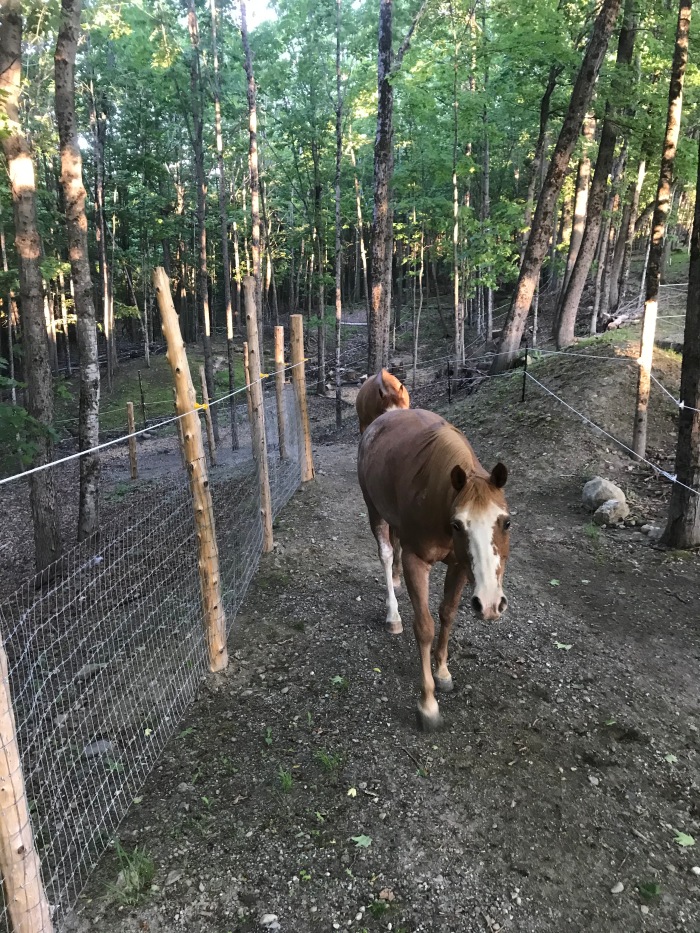
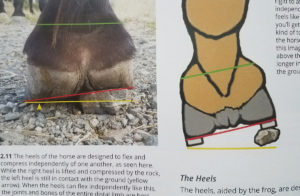
Paddock Paradise isn’t complicated, and it is appropriate for any geographic area of the world.Harmony Horse Farm in Maine has portions of their track set up in a wooded area on their property.From “The Essential Hoof Book“, the image that really got us thinking about going barefoot.
Dutch Hollow Acres – (Definitely check this page out. The owner tracked her horses’ movements and speed while turned out on the track versus grazing field. So cool!)
When you finally get your horses home, there is no other feeling like it. Looking out your window and seeing your favorite creatures enjoying life under your care is one of THE most gratifying experiences for a horse lover.
But there’s a flip side. Happy Horsekeeping isn’t as easy as it sometimes seems. While we can design our barns, yards, and turnout to keep our horses safe, feed them the best hay and grains, and provide a low-stress environment for them, there are times when that’s still not enough. Listen in!